
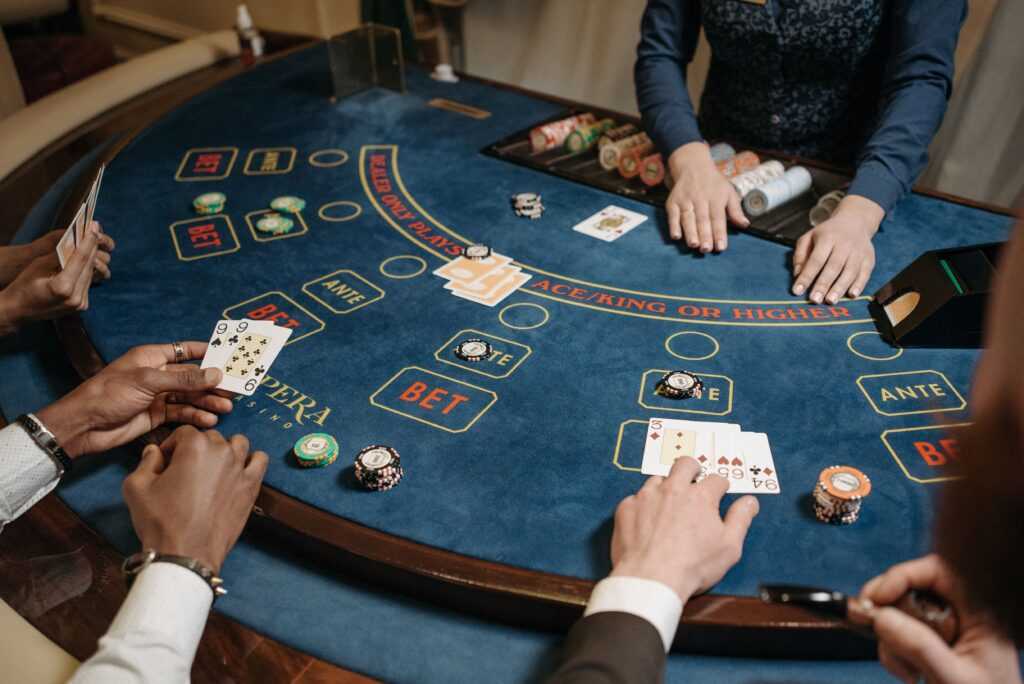
Live dealer casino games combine elements of physical table play with the convenience of a digital interface. Instead of relying entirely on computer-generated presentation, they connect players to real tables through live video streams.
That format creates an experience that can feel noticeably different from standard online casino games. Players meet human dealers, use physical equipment, follow set betting windows, and interact in real time. Understanding how these elements work together can make the format easier to navigate when you join a table for the first time.
What Makes Live Dealer Games Different
Standard digital table games typically use software to present cards, wheels, and other game elements directly on screen. Live dealer formats instead broadcast activity from a physical table, often housed in a dedicated studio.
A human dealer conducts the game using traditional table-game equipment, such as cards, chips, or a roulette wheel, depending on the game. Cards are dealt, roulette wheels are spun, and the action at the table is shown live on camera. Players follow that activity remotely through a computer, tablet, or compatible mobile device.
The interface still handles essential digital functions. Players use on-screen controls (on either a desktop or mobile device) to make selections within designated time windows, while information about the current round appears alongside the video stream.
This combination gives live games their distinctive identity. They retain many visual and procedural features associated with physical tables while using digital technology for remote participation and providing useful context for what players see on screen.
The Technology Behind the Experience
Live dealer games depend on more than a camera pointed toward a table. Streaming systems must transmit video with minimal delay while keeping the physical action and digital interface synchronized throughout each round.
Multiple cameras can provide different perspectives. One might focus on the dealer, while another captures cards, wheels, or other table equipment. Camera changes can make important moments easier for remote players to follow.
Optical character recognition can help translate physical table activity into digital information. Cards and other relevant details can be detected and displayed through the interface, connecting what happens physically with what players see electronically.
Platforms offering experiences such as the live dealer casino at FanDuel demonstrate how physical tables and digital interfaces can operate together seamlessly. That technology supports the experience, but players should also examine the platform delivering it before choosing a table.
Behind the interface, these systems work together continuously throughout each session. Players see a unified presentation rather than separate technical processes, with video, table information, and on-screen controls synchronized to reflect activity taking place at the physical table.
Selecting a Platform With Confidence
A live presentation can attract attention, but players should first understand what platform is offering the live experience. Licensing information provides an important starting point when examining a casino platform.
Transparency matters elsewhere. Clear game rules, table information, technical requirements, and accessible terms help players understand the experience before joining. Navigation should make relevant information easy to locate.
These checks are about understanding the environment rather than predicting what will happen at the table. Once players know how a platform operates, attention can shift toward another defining characteristic of live games: interaction with real people.
Interacting With Dealers and Players
Human interaction separates live dealer games from many standard digital alternatives. Dealers conduct rounds in real time and may acknowledge messages or provide general information while maintaining the flow of the game.
Often live games include chat functionality. Players can type messages through the interface without interrupting the video feed, creating a communication channel alongside the main game controls.
Shared tables can also mean several players participate in the same session. Although each person interacts through an individual device, everyone follows the same dealer and watches the same table action unfold.
This creates a different atmosphere from solitary digital play. Timing and interaction become more important parts of the experience. Those characteristics can also vary between individual games, making the choice of game variant particularly important.
Comparing Popular Live Table Options
Blackjack is among the most recognizable live dealer formats. Rounds center on card decisions, with players following the dealer and making selections during clearly defined windows.
Roulette offers different pacing. Attention centers on the wheel, table layout, and sequence leading from player selections to the spin. Camera views can shift to provide closer perspectives during different stages.
Baccarat provides another card-based format, while poker-inspired live games can introduce different rules, betting options, and styles of play. Each option brings its own terminology, table layout, sequence, and level of interaction.
Players unfamiliar with a format can review its rules before entering a live session. Knowing the basic structure makes the interface easier to follow and reduces the need to learn every control while a round is already progressing.
Setting Expectations for a First Session
Live tables generally move at the dealer’s pace rather than advancing instantly whenever a player presses a button. First-time players may notice a different rhythm than in standard digital games.
Betting windows and decision periods are clearly timed. Players must make their selections before those windows close, after which the dealer continues the round according to the relevant game rules.
Basic table etiquette can also shape the experience. Chat should remain appropriate, while players should observe how a table operates before becoming heavily involved in its social features.
Most importantly, the first session is likely to feel different from both a physical casino and an automated digital game. Knowing the rules, controls, pacing, and presentation beforehand helps players understand that distinction before joining.
Bringing the Physical Table Onto the Screen
Live dealer games occupy a distinctive space between traditional tables and fully digital casino formats. Human dealers and physical equipment remain central, while streaming technology and interactive controls make the experience accessible through connected screens.
For first-time players, familiarity can make the format easier to understand. Learning how streaming works, reviewing platform information, recognizing differences between table games, and expecting a structured live pace all provide useful context. The result is a clearer picture of what happens before the first round even begins.
 Cherylah Mackeyancy, the visionary founder of Gamble Gift Grit, has redefined the gambling landscape with her commitment to thoughtful and strategic play. With a deep understanding of the industry's nuances, Cherylah created a platform that goes beyond surface-level tips, focusing on empowering gamblers to approach their bets with purpose and clarity. Her dedication to helping players master high-stakes tactics, manage emotions, and set meaningful goals has made Gamble Gift Grit a trusted resource for those seeking a disciplined and insightful gambling experience.