
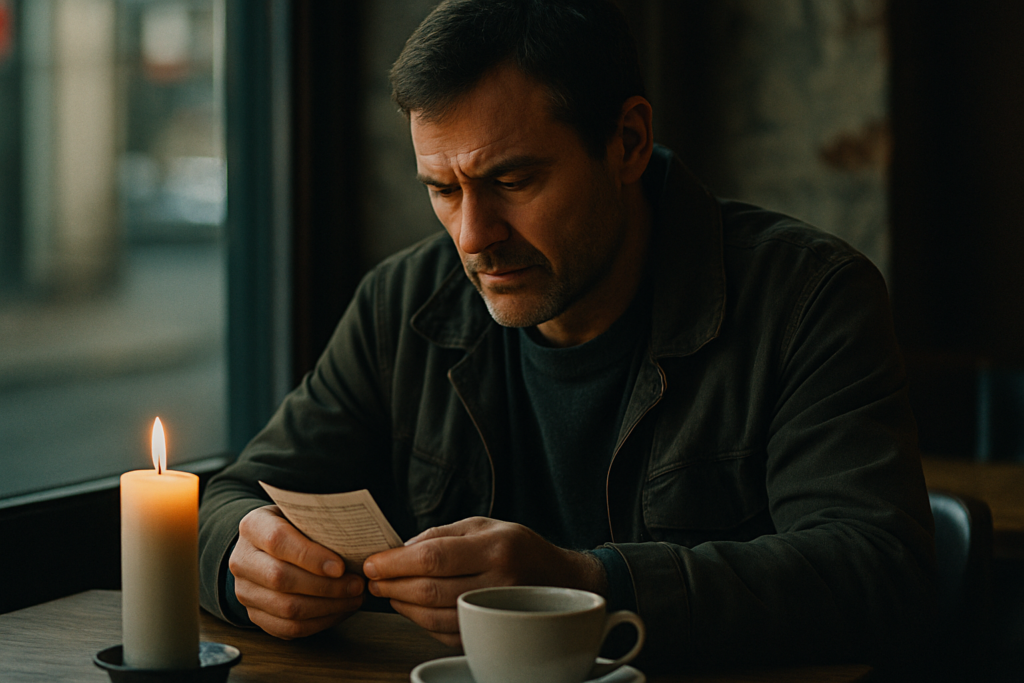
Recognizing the Emotional Rollercoaster
Gambling stirs real emotion fast. Whether it’s the rush of a win or the sting of a tough loss, the highs and lows are part of the game. These aren’t just background noise; they hit the brain’s reward systems hard. It’s chemistry. And that’s why staying emotionally balanced while gambling isn’t just smart it’s necessary.
Wins can feel like proof you’ve cracked the code. That confidence spike is natural, but it can turn into ego, leading to riskier bets or bigger wagers. On the flip side, losses trigger frustration, and that’s where chasing comes in trying to force a comeback instead of stepping back. Chasing rarely ends well. It clouds judgment and burns through bankrolls.
So how do you spot emotional imbalance early? Look for signs: are you betting out of anger or trying to double down because you think you’re “owed” a win? Are you tipping into fantasy thinking or ignoring your limits? Awareness is key. Emotional swings are baked into gambling. Managing them can be the difference between a healthy run and wreckage. Keep your head, or the game will take it.
Strategies to Stay Grounded After a Win
Winning feels good there’s no point pretending otherwise. But what happens next matters more than the win itself. Most people assume the danger is losing. It’s not. After a big win, the real risk is getting too high off it spending wildly, pushing bets further, and chasing that next rush. You’ve earned the right to celebrate; just don’t let the celebration spill into your judgment.
Set clear limits. Whether it’s how much you’re willing to spend from your winnings or how long you’ll stay at the table (or screen), boundaries keep things real. You don’t owe anyone a show. You don’t have to double down to prove it wasn’t luck.
Detachment is where clarity lives. If you can enjoy the win without needing to repeat it instantly, you’ve already won more than the money. Take a breath. Step away. Use that moment to reflect what went right, what you handled well, where you stayed disciplined. Then think long term. A single win is just one frame in the reel. Don’t let it become the thing that unravels you.
Smart Recovery After a Loss

Experiencing a setback in gambling can trigger strong emotional responses, but what you do next matters far more than the outcome of any single game. Rather than reacting impulsively, successful gamblers learn how to recover strategically.
Tactics to Avoid Tilt and Irrational Choices
When emotions take control, you’re more likely to double down, ignore strategy, or chase losses all signs of going on tilt. Avoiding this state requires mindfulness and proactive habits.
Pause and breathe before making your next decision
Step away from the game as soon as frustration, anger, or desperation appears
Stay aware of your patterns recognize triggers and preempt them
Use pre set loss limits to enforce a stopping point
The Power of Walking Away
Taking a break doesn’t mean admitting defeat it’s about regaining control. Walking away creates the space you need to reflect and reset your mindset.
Gain perspective by doing something non gambling related
Reflect on what led to the loss without judgment
Give yourself time to cool down before placing another bet
Why Self Control Pays Off Long Term
Strong emotional regulation doesn’t just help in the moment it benefits your overall success. Recovery isn’t about avoiding losses altogether, but managing them wisely.
You avoid digging deeper holes when losses happen
You build a mindset of resilience and discipline
You reduce regret, guilt, and impulsive behavior over time
For a deeper look at post loss strategies, read this: Staying Calm After Loss
Mental Frameworks That Help
Pros don’t think in terms of wins or losses on a single bet. They think in sessions, in streaks, in trends over time. One hand, one spin it’s noise. The bigger picture is what matters. That shift in mindset changes everything: urgency fades, emotional spikes smooth out, and the temptation to chase or gloat disappears.
The smart player plays the long game. They know short term variance is just part of the rhythm. You can lose five times and still come out ahead if the strategy holds. That kind of thinking requires discipline, but also creates resilience. Lose today? Fine. Stick to the plan. Win big? Cool but don’t let it rewrite the rules.
Consistency beats drama. And balance? Balance is king. Fear makes bets too small. Greed makes them too big. The sweet spot lives in the middle: measured decisions, one after another, building an edge over time. That’s what separates luck chasers from real strategists.
Practical Tools to Keep Emotions in Check
When emotions run high, tools matter more than motivation. It’s one thing to tell yourself you’ll stay in control it’s another to actually do it in the moment. That’s where systems come in.
Start with journaling. It doesn’t have to be poetic or deep. Just track how you’re feeling before, during, and after your sessions. Are you chasing? Bored? Overconfident? A quick emotional check in helps you spot patterns and stop bad streaks from spiraling.
Set time limits real ones. Use a timer, not just a rough idea. When the alarm goes off, step away, no matter how it’s going. Same goes for your bankroll. Pre plan what you’re willing to lose in a session and don’t top it off once it’s gone. This isn’t just money management. It’s emotional regulation.
Finally, build a support system. One or two people who get it. Not the ones who egg you on, but the ones who’ll tell you to log off and breathe when you need it. Having someone to call before you go full tilt can save you more than just cash. It can keep you grounded.
Easy to say, harder to do. But every one of these tools creates just enough space for a pause and that pause is where control lives.
Gambling with Emotional Intelligence
Successful gambling isn’t just about odds it’s about knowing yourself. That moment between a bad beat and your next move? It matters more than the hand you just lost. Self awareness is what separates the strategic gambler from the reckless one. Recognizing when you’re riding high or sinking emotionally gives you space to pause, reset, and choose your next step with clarity.
Training that pause response muscle takes intention. It starts with asking simple questions in the heat of the moment: Am I chasing? Is this emotion or logic? This kind of mental check in is what turns impulse into strategy.
Over time, the goal shifts from chasing wins to playing the long game. Treat gambling like any skill based discipline. You’re not just managing money you’re managing mindset. That’s what makes it sustainable. And if you’re serious about growing this skillset, it helps to look at how others reset under pressure. Here’s a practical read worth bookmarking: Staying Calm After Loss.
 Cherylah Mackeyancy, the visionary founder of Gamble Gift Grit, has redefined the gambling landscape with her commitment to thoughtful and strategic play. With a deep understanding of the industry's nuances, Cherylah created a platform that goes beyond surface-level tips, focusing on empowering gamblers to approach their bets with purpose and clarity. Her dedication to helping players master high-stakes tactics, manage emotions, and set meaningful goals has made Gamble Gift Grit a trusted resource for those seeking a disciplined and insightful gambling experience.